

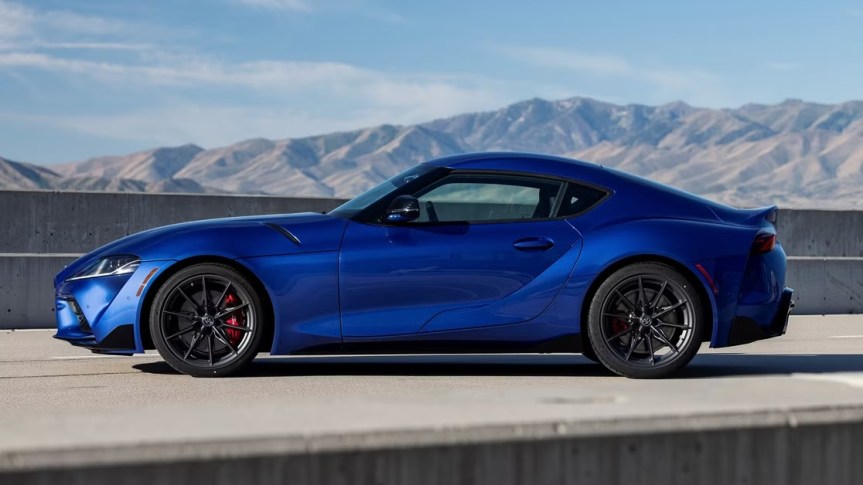
Introduction: Where Passion Meets Precision
Few creations straddle the line between art and engineering as gracefully as the sports car. These machines are more than mere transport—they are declarations of intent, symbols of craftsmanship, and vessels of emotion. From the moment a sports car roars to life, it evokes a sensation that’s difficult to replicate. It’s the exhilaration of control, the joy of design, and the unmistakable thrill of movement—all sculpted into metal, leather, and speed. At a time when technology increasingly isolates drivers from the road, sports cars remain a celebration of connection: man, machine, and the road ahead.
What Defines a True Sports Car?
The term “sports car” is often tossed around generously, applied to anything remotely fast or flashy. But in its purest form, a sports car adheres to a set of principles that separate it from everyday vehicles.
-
Performance-focused engineering: Sports cars are built to accelerate quickly, corner precisely, and stop with authority. Every component—from suspension geometry to tire composition—is tuned for responsiveness.
-
Purposeful design: Low-slung bodies, sculpted aerodynamics, and wide stances aren’t just for show; they enhance handling, reduce drag, and center gravity.
-
Driver-centric layout: These cars are engineered with the driver in mind. Controls are intuitive, feedback is immediate, and the experience is immersive.
-
Lightweight construction: Many sports cars prioritize a lean chassis, often incorporating aluminum, carbon fiber, or composites to achieve exceptional agility.
While some vehicles masquerade as sports cars with aggressive styling or large engines, true sports cars offer an integrated package where every detail exists in service of performance and emotion.
The Allure of the Drive: Why We’re Drawn to Them
What makes someone invest in a car that often has limited space, stiff suspension, and a price tag that rivals real estate? The answer is deeply human. Driving a sports car isn’t merely a mode of transport—it’s an act of engagement. Unlike the passive experience of modern commuting, a sports car demands attention, rewards precision, and offers a level of feedback that turns even a mundane drive into an event.
-
Sensory stimulation: The roar of the exhaust, the feel of the steering, the scent of leather—it’s an orchestra of stimuli designed to awaken the senses.
-
Emotional fulfillment: Sports cars speak to ambition, confidence, and individuality. They reflect a desire not just to move, but to move beautifully.
-
Timeless aesthetics: From the curvaceous lines of a vintage Jaguar E-Type to the angular aggression of a Lamborghini Huracán, sports cars captivate onlookers and drivers alike.
They’re less about need and more about want—and in that distinction lies their magic.
Icons Through the Ages: Vehicles That Redefined the Genre
Throughout automotive history, certain models have stood as milestones, redefining what a sports car could be.
-
Porsche 911: A paradox of design that, despite its rear-engine layout, has remained the benchmark of balance and performance for over half a century.
-
Jaguar E-Type: Once called “the most beautiful car ever made” by Enzo Ferrari himself, it combined elegance with performance in a way few others have.
-
Mazda MX-5 Miata: Lightweight, affordable, and endlessly fun, the Miata revived the roadster spirit for a new generation.
-
Ferrari 250 GTO: Equal parts investment, artwork, and race car—this model’s legacy is cemented in both motorsport lore and collector fantasy.
These machines aren’t just cars; they’re characters in a larger narrative of innovation, competition, and style.
The Evolution of Power: From Gasoline to Kilowatts
As the world pivots toward sustainability, the sports car is undergoing a dramatic transformation. Where once a throaty V12 symbolized ultimate performance, now electric drivetrains offer instantaneous torque and unprecedented acceleration.
-
Porsche Taycan: One of the first electric vehicles to deliver the tactile, emotional driving experience associated with traditional sports cars.
-
Lotus Emira and Evija: Blending heritage with innovation, Lotus is proving that the electric future can still feel analog and connected.
-
Rimac Nevera: With hypercar performance and zero emissions, it challenges assumptions about what electric vehicles can be.
Yet even as batteries replace fuel tanks, the ethos of the sports car persists: lightness, driver involvement, and style.
The Craft Behind the Wheel: A Dying Art or a New Beginning?
As cars become smarter and more autonomous, the act of driving risks being reduced to a background task. But in sports cars, driving remains an art. These machines are tactile. They whisper secrets through the steering rack, encourage flirtation with corners, and reward those who master their rhythms.
Driving a sports car teaches patience, discipline, and courage. It’s a reminder that the journey, not just the destination, can be extraordinary.
Yet this analog art form is facing an identity crisis. Can digital interfaces and algorithmic control coexist with the raw appeal of spirited driving? The best modern sports cars suggest they can. With innovations like adaptive dampers, torque vectoring, and predictive suspension systems, new models maintain performance while expanding usability.
Conclusion: A Future Fueled by Passion
In an age dominated by practicality, connectivity, and sustainability, the sports car endures as a defiant tribute to desire. It refuses to be rationalized into obsolescence. Whether powered by combustion or current, what defines a sports car is not its specs sheet, but the way it makes us feel.
These cars are bought with the heart, driven with the soul, and remembered long after the engine cools. As long as there are dreamers who crave beauty in motion and elegance in engineering, the sports car will remain not just relevant, but revered.

