

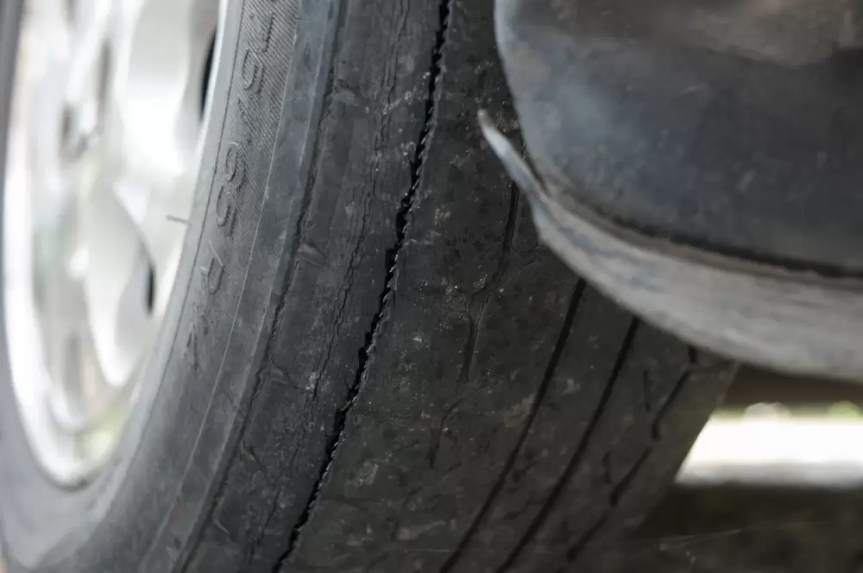
Riding with low tyre pressure affects far more than ride comfort. Over time, under-inflation accelerates tyre wear, reduces fuel efficiency, compromises handling, and can even damage wheels and suspension components. Many riders only discover the consequences when unexpected repair or replacement costs start adding up.
How Under-Inflation Destroys Your Tyre from the Inside
Tyre pressure is measured in PSI. Most motorcycles and scooters perform best with pressure sitting between 28 and 35 PSI. Ride below this range, and the tread, the grooved rubber on the tyre’s outer surface that grips the road, begins to flatten at the outer edges. This wears the shoulders of the tyre down much faster than the centre, hollowing it out into a concave shape that reduces grip and shortens tyre life.
The sidewalls, the rubber surfaces on either side of the tyre running between the rim and the road, take a battering too. Constant extra flexing builds up heat inside the tyre. Week by week, that heat degrades the tyre’s internal structure, raising the risk of a sudden blowout, which is when the tyre bursts without warning while you are riding. Visible sidewall cracking can also develop, making the tyre unsafe to use at all.
Rim Damage and Riding Dangers
A soft tyre cannot cushion road shocks the way it should. Hit a pothole or a sharp bump, and the rim absorbs the full force. Over a month, this leads to bending, warping, or cracking of the rim, all of which are expensive to sort out.
Under-inflation also causes pinch flats, often called snakebites. During a hard impact, the rim compresses the inner tube against the road, leaving two small punctures. These become increasingly common as the tyre softens further.
You might notice these signs before things get serious:
- Steering feels slow or vague, especially in corners
- Stopping distances grow longer when you brake
- Fuel consumption creeps up because the engine works harder
- A wobble or instability appears at higher speeds
Each of these points to a compromised contact patch, which creates real safety risks on every ride.
Why Your bike tyre price Goes Up When Pressure Goes Down
The financial cost of riding on soft tyres is easy to underestimate. Here is what typically builds up over a month:
| Damage Type | What It Affects | Financial Impact |
| Uneven tread wear | Tyre lifespan | Replacement needed far sooner |
| Rim bending or cracking | Metal wheel | Costly repair or full replacement |
| Frequent pinch flats | Inner tube | Repeated purchase of new tubes |
| Internal heat breakdown | Tyre structure | Risk of premature full tyre failure |
Riders often focus on comparing bike tyre prices when replacement time arrives, but tyre maintenance plays an equally important role in overall ownership costs. Even an affordable replacement can become expensive if poor pressure habits cut its lifespan significantly. The same applies to popular commuter motorcycles, where monitoring Splendor tyre price trends is useful, but extending tyre life through proper maintenance can deliver even greater savings.
Quality tyres from established manufacturers such as Eurogrip are designed to perform across varied Indian road conditions, but even the best tyre depends on correct inflation to deliver its intended lifespan, grip, and efficiency.
Small Maintenance Habits, Big Savings
Low tyre pressure rarely causes immediate problems, which is why many riders ignore it. The damage develops gradually through accelerated tread wear, increased heat build-up, reduced fuel efficiency, and added stress on wheels and suspension components.
Regular pressure checks take only a few minutes but can significantly extend tyre life and improve safety. Whether you’re comparing bike tyre prices for your next replacement or planning future maintenance costs such as Splendor tyre replacements, keeping tyres properly inflated remains one of the simplest and most effective ways to reduce long-term ownership expenses.

