

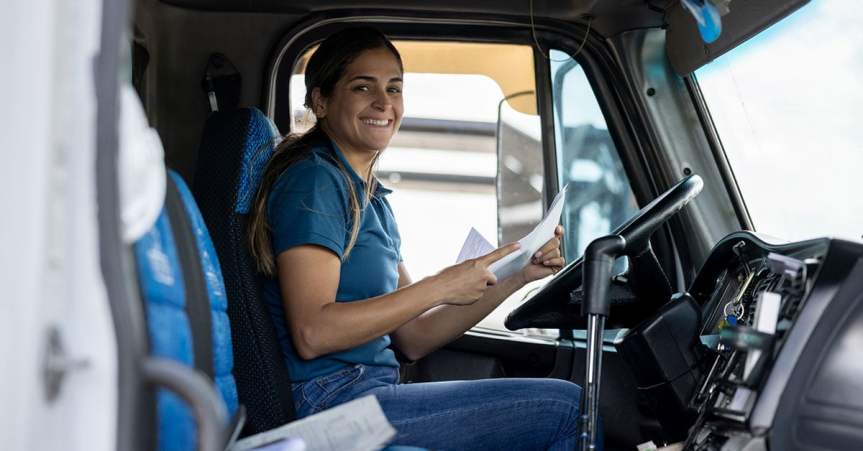
If you’re looking to start a career in the transport and logistics industry, obtaining a Cat C driving licence is one of the most important steps you can take. With the growing demand for qualified heavy goods vehicle (HGV) drivers across many industries, gaining this qualification can open the door to a wide range of employment opportunities and long-term career growth.
This guide explains everything you need to know about getting your Cat C licence, including eligibility requirements, the application process, training, testing, and tips for success.
What Is a Cat C Driving Licence?
A Cat C driving licence allows you to drive rigid large goods vehicles (LGVs) weighing over 3,500kg, with a trailer weighing up to 750kg. These vehicles are commonly used in industries such as logistics, construction, retail distribution, waste management, and manufacturing.
A Cat C licence is often considered the first step for individuals who want to become professional HGV drivers. Once qualified, drivers can operate a variety of large commercial vehicles and may later progress to obtaining additional licence categories.
Why Get a Cat C Licence?
There are several reasons why people choose to obtain a Cat C licence:
- Access to high-demand job opportunities
- Competitive salaries within the logistics sector
- Opportunities for career progression
- Increased job security
- Ability to work across multiple industries
- Potential for self-employment or contract work
As supply chains continue to expand, qualified HGV drivers remain essential to keeping goods moving efficiently across the country.
Eligibility Requirements
Before applying for a Cat C licence, you must meet certain requirements.
Minimum Age
In most cases, applicants must be at least 18 years old.
Hold a Full Car Licence
You must already possess a full Category B (car) driving licence.
Meet Medical Standards
All applicants are required to pass a medical examination to ensure they are fit to operate large commercial vehicles safely.
Residency Requirements
You should meet the relevant residency requirements established by the licensing authority in your country.
Step 1: Apply for Provisional Entitlement
The first stage in the process is applying for provisional entitlement for Category C vehicles.
This involves:
- Completing the appropriate application forms
- Providing identification documents
- Submitting medical examination results
- Waiting for approval from the licensing authority
Once your provisional entitlement is granted, you can begin professional HGV training.
Step 2: Complete the Medical Examination
A medical assessment is a mandatory part of the application process.
The examination typically evaluates:
- Vision standards
- General health
- Neurological conditions
- Cardiovascular health
- Medical history
The assessment must usually be completed by a qualified doctor who will certify your fitness to drive large goods vehicles.
Step 3: Prepare for the Theory Test
Before progressing to practical training, you’ll need to pass the relevant theory examinations.
Multiple-Choice Theory Test
This section assesses your knowledge of:
- Road signs
- Traffic regulations
- Vehicle safety
- Driver responsibilities
- Hazard awareness
Hazard Perception Test
This test measures your ability to identify developing hazards on the road.
Proper preparation is essential, and many training providers offer study materials and mock examinations to help candidates succeed.
Step 4: Enrol in Professional Driver Training
Once your theory tests are complete, it’s time to begin practical training.
Choosing an experienced training provider can significantly improve your chances of passing the practical test on your first attempt.
During training, you’ll learn:
- Vehicle controls and operation
- Safe manoeuvring techniques
- Reversing procedures
- Road positioning
- Load awareness
- Fuel-efficient driving methods
- Defensive driving techniques
Many learners choose intensive training courses that provide focused instruction over several days.
At this stage, selecting a reputable provider for your cat c driving licence training can make a significant difference in your confidence and overall test performance.
Step 5: Take the Practical Driving Test
The practical driving test is designed to assess your ability to operate a large goods vehicle safely and competently.
Vehicle Safety Questions
You may be asked questions about vehicle safety checks and maintenance procedures.
On-Road Driving Assessment
The examiner evaluates:
- Observation skills
- Vehicle control
- Road awareness
- Decision-making
- Compliance with traffic laws
- Safe driving practices
Off-Road Exercises
Candidates are typically required to demonstrate:
- Reversing manoeuvres
- Vehicle positioning
- Controlled vehicle handling
Passing all elements of the practical assessment is necessary to obtain your licence.
Step 6: Driver CPC Qualification
For most professional drivers, obtaining the Driver Certificate of Professional Competence (Driver CPC) is also required.
The Driver CPC ensures drivers possess the knowledge and skills needed to operate commercial vehicles professionally and safely.
The qualification generally includes:
- Case study assessments
- Practical demonstrations
- Ongoing periodic training requirements
Without Driver CPC certification, many drivers cannot legally work as professional HGV operators.
Common Mistakes to Avoid
Many candidates fail due to avoidable errors. Being aware of these common mistakes can improve your chances of success.
Poor Observation
Failing to properly check mirrors and blind spots is one of the most frequent causes of test failures.
Inadequate Preparation
Rushing into the practical test without sufficient training often leads to poor performance.
Vehicle Positioning Errors
Incorrect lane discipline and road positioning can result in penalties during the assessment.
Lack of Confidence
Nervousness can affect decision-making and vehicle control. Consistent practice helps build confidence behind the wheel.
How Long Does It Take to Get a Cat C Licence?
The timeline varies depending on individual circumstances.
Factors affecting completion time include:
- Medical examination scheduling
- Application processing times
- Theory test availability
- Training course length
- Practical test booking dates
Some candidates complete the entire process within a few weeks, while others may take several months.
Career Opportunities After Qualification
After obtaining your licence, various career paths become available.
Popular roles include:
- Delivery driver
- Distribution driver
- Construction vehicle operator
- Waste collection driver
- Logistics transport driver
- Retail supply chain driver
Many employers actively seek qualified drivers, making this an attractive career option for individuals seeking stable employment.
Tips for Passing First Time
To maximise your chances of success:
- Choose a reputable training provider
- Study thoroughly for theory examinations
- Attend all practical training sessions
- Practise hazard awareness regularly
- Stay calm during the assessment
- Listen carefully to examiner instructions
- Focus on safety at all times
Investing time in preparation often leads to better outcomes and reduced overall training costs.
Final Thoughts
Obtaining a Cat C licence is a valuable investment in your professional future. Whether you’re looking to start a new career or expand your driving qualifications, the process is straightforward when approached with proper preparation and commitment.
From medical assessments and theory tests to practical training and Driver CPC requirements, each step plays an important role in ensuring you become a safe and competent HGV driver. By choosing quality training and dedicating yourself to learning, you’ll be well-positioned to earn your cat c driving licence and begin a rewarding career in the transport industry.

