

Introduction
The logistics and transportation industry plays a crucial role in keeping economies moving. From delivering essential goods to supporting international trade, lorry drivers are at the heart of the supply chain. As demand for qualified drivers continues to grow, many individuals are exploring this profession as a stable and rewarding career path.
However, becoming a professional lorry driver requires more than simply learning how to operate a large vehicle. Proper training, safety awareness, and industry knowledge are essential for long-term success. This guide explains everything aspiring drivers need to know about entering the profession, developing key skills, and building a successful future in the transportation sector.
Why Choose a Career as a Lorry Driver?
Many people are attracted to lorry driving because it offers excellent career opportunities and job security. With the continuous growth of e-commerce, retail distribution, and freight transportation, skilled drivers remain in high demand.
Some of the key benefits include:
- Competitive earning potential
- Consistent employment opportunities
- Flexible work schedules
- Opportunities for long-distance and international travel
- Career progression into fleet management or logistics roles
- Independence and responsibility on the job
For individuals who enjoy driving, problem-solving, and working independently, lorry driving can be a highly satisfying profession.
Understanding the Role of a Professional Lorry Driver
A professional lorry driver does much more than transport goods from one location to another. Employers expect drivers to handle various responsibilities that contribute to efficient and safe operations.
Typical duties include:
- Conducting vehicle inspections before journeys
- Loading and unloading cargo when required
- Planning routes efficiently
- Following road safety regulations
- Maintaining accurate delivery records
- Managing delivery schedules
- Reporting vehicle maintenance issues
These responsibilities require discipline, attention to detail, and a strong commitment to safety.
Essential Skills Every Lorry Driver Needs
Success in the transportation industry depends on developing a combination of technical and soft skills.
Driving Skills
Operating heavy vehicles requires specialized knowledge and practical experience. Drivers must understand vehicle handling, braking systems, maneuvering techniques, and defensive driving practices.
Time Management
Deliveries often operate on strict schedules. Effective time management helps drivers meet deadlines while complying with legal driving-hour regulations.
Communication Skills
Drivers regularly interact with dispatchers, warehouse staff, customers, and transportation managers. Strong communication helps avoid misunderstandings and ensures smooth operations.
Problem-Solving Ability
Unexpected situations such as traffic congestion, weather conditions, or vehicle issues can arise at any time. Professional drivers must remain calm and make informed decisions quickly.
Safety Awareness
Safety is one of the most important aspects of the profession. Understanding road regulations and maintaining safe driving practices protects both drivers and other road users.
The Importance of Professional Training
Many employers prefer candidates who have completed structured training programs. Proper education provides the foundation needed to operate heavy vehicles safely and confidently.
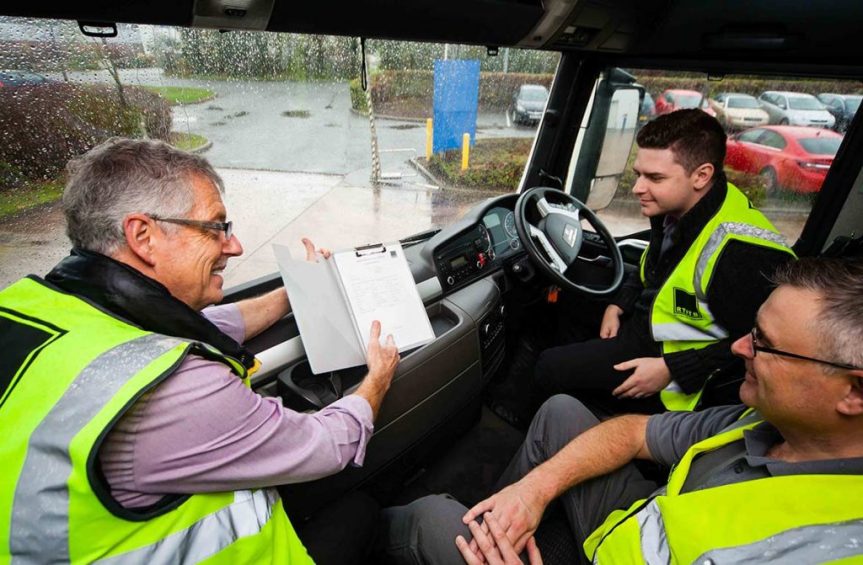
Enrolling in a reputable lorry driver training program allows aspiring drivers to gain practical experience while learning industry standards and regulations. Professional training also helps candidates prepare for licensing examinations and certification requirements.
A quality training course typically covers:
- Vehicle operation techniques
- Road safety regulations
- Hazard perception
- Cargo securing methods
- Fuel-efficient driving practices
- Emergency procedures
- Vehicle maintenance basics
Comprehensive training significantly increases employability and confidence behind the wheel.
Licensing and Certification Requirements
Requirements vary by country and region, but most professional lorry drivers must obtain specific licenses before operating commercial vehicles.
Common requirements include:
Age Eligibility
Most jurisdictions require drivers to meet a minimum age requirement before applying for a commercial driving license.
Medical Assessments
Drivers may need to pass health examinations to ensure they are physically fit for long-distance driving responsibilities.
Theory Examinations
Written tests evaluate knowledge of road regulations, safety procedures, and commercial driving laws.
Practical Driving Tests
Candidates must demonstrate their ability to operate a lorry safely under real-world driving conditions.
Meeting licensing requirements is an important milestone toward becoming a qualified professional driver.
What to Expect During Training
Individuals considering a career in transportation often wonder what happens during the training process.
Training programs generally include both classroom instruction and practical driving sessions.
Classroom Learning
Students learn about:
- Traffic laws
- Vehicle systems
- Driver responsibilities
- Safety procedures
- Route planning
- Industry regulations
Practical Driving Experience
Hands-on training allows students to develop essential driving skills, including:
- Reversing and parking
- Highway driving
- Urban route navigation
- Coupling and uncoupling trailers
- Emergency handling procedures
This combination of theory and practice prepares drivers for real-world challenges.
Career Opportunities After Qualification
Obtaining the necessary qualifications can open doors to various employment opportunities.
Professional drivers may work in:
- Freight transportation companies
- Retail distribution networks
- Construction and infrastructure sectors
- Waste management services
- Manufacturing and industrial logistics
- International shipping operations
As experience grows, drivers may advance into supervisory or management positions within transportation organizations.
Many employers also provide ongoing training programs to support career development and specialization.
How to Stand Out to Employers
The transportation industry values reliability and professionalism. New drivers can improve their employment prospects by focusing on the following areas:
Maintain a Strong Safety Record
Employers highly value drivers who prioritize safety and compliance.
Continue Learning
Completing advanced courses and refresher programs demonstrates commitment to professional growth.
Develop Customer Service Skills
Drivers often represent their employers directly to customers. Positive interactions can enhance professional reputation.
Build Industry Knowledge
Understanding logistics, transportation technology, and regulatory updates can provide a competitive advantage.
Investing in continuous improvement helps drivers achieve long-term success in the industry.
Choosing the Right Training Provider
Selecting the right training provider is a critical step in starting a successful career.
When comparing programs, consider:
- Instructor qualifications
- Training vehicle quality
- Pass rates
- Industry reputation
- Practical driving hours offered
- Student support services
- Job placement assistance
A trusted lorry driver training provider can help students gain the skills and confidence needed to enter the workforce successfully.
Conclusion
A career as a lorry driver offers stability, growth opportunities, and the chance to play a vital role in the transportation industry. With increasing demand for skilled professionals, now is an excellent time to pursue this rewarding profession.
Success begins with proper preparation, professional education, and a commitment to safety. By choosing quality training, obtaining the necessary certifications, and continuously developing your skills, you can build a long-lasting and fulfilling career in commercial transportation.
Whether you are starting your first career or looking for a new professional direction, lorry driving provides a practical pathway toward financial stability and personal achievement.

