

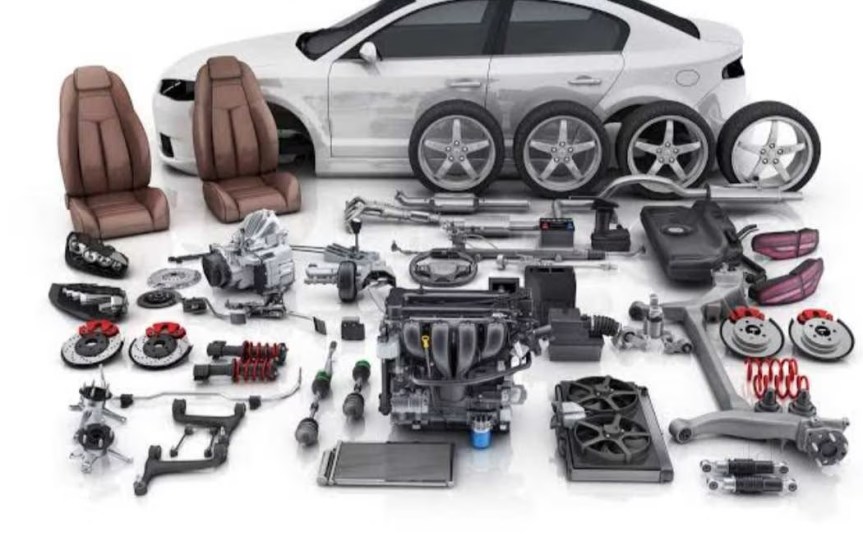
Introduction: More Than the Sum of Its Parts
When we admire a car for its performance, design, or comfort, we often overlook the intricate system of components that operate silently beneath its surface. Auto parts are the unsung heroes of the automotive world. They do not seek the spotlight, yet without them, no vehicle could function. From basic mechanical elements to sophisticated electronic modules, auto parts form the foundation upon which the automobile industry is built.
Understanding auto parts is not merely for mechanics or engineers. For drivers, fleet owners, or anyone involved in transportation, knowledge of auto parts enhances maintenance, improves safety, and deepens appreciation for the marvel of modern machinery.
Categories of Auto Parts: A Structural Overview
Auto parts span a vast range of functions and complexities. They can be grouped based on their roles within a vehicle’s architecture.
1. Engine and Powertrain Components
These parts are the core of a vehicle’s propulsion system. Without them, power cannot be generated or transmitted to the wheels.
-
Engine Block: The main structure of the engine, housing the cylinders and other internal components.
-
Pistons, Crankshaft, and Camshaft: These convert fuel combustion into mechanical power and regulate engine cycles.
-
Timing System: Synchronizes the engine’s valves with the movement of pistons.
2. Transmission and Driveline Parts
Responsible for transferring power from the engine to the wheels while allowing the vehicle to change speeds efficiently.
-
Gearbox: Allows gear selection and adapts torque according to speed.
-
Differential: Distributes power to the wheels while allowing them to rotate at different speeds.
-
Drive Shaft: Connects transmission to the rear differential in rear-wheel-drive vehicles.
3. Suspension and Steering System
These components dictate how a vehicle responds to road conditions and driver input, directly influencing comfort and handling.
-
Shock Absorbers and Springs: Reduce impact and stabilize the vehicle on uneven terrain.
-
Control Arms and Bushings: Connect the suspension to the chassis and allow flexible movement.
-
Steering Rack and Tie Rod Ends: Convert steering wheel motion into directional movement of the wheels.
4. Braking System Components
Critical for safety, the braking system allows the vehicle to stop efficiently and reliably.
-
Brake Pads and Rotors: Create friction to stop wheel movement.
-
Brake Calipers: Clamp the brake pads against the rotors.
-
Brake Lines and Master Cylinder: Transmit hydraulic pressure from the pedal to the brakes.
5. Electrical and Electronic Parts
As vehicles become more computerized, electronic systems are becoming increasingly central.
-
Battery and Alternator: Provide and maintain electrical power.
-
Starter Motor: Initiates engine combustion.
-
Sensors and Control Modules: Monitor everything from emissions to air-fuel ratios and driving conditions.
6. Heating, Ventilation, and Air Conditioning (HVAC)
Comfort and climate control inside the cabin depend on efficient HVAC systems.
-
Compressor: Pressurizes refrigerant to enable cooling.
-
Evaporator and Condenser: Transfer heat to maintain temperature balance.
-
Blower Motor: Circulates air throughout the vehicle interior.
OEM vs. Aftermarket: Choosing the Right Parts
When it comes time to replace parts, one faces the classic decision: OEM (Original Equipment Manufacturer) or aftermarket.
-
OEM Parts
-
Made by the vehicle’s manufacturer or an authorized supplier
-
Guaranteed fit and reliability
-
Higher cost but often includes a warranty
-
-
Aftermarket Parts
-
Produced by third-party manufacturers
-
Often more affordable with a wide range of options
-
Quality varies—some exceed OEM standards, while others may fall short
-
Choosing the right type depends on one’s budget, vehicle age, and intended usage. For new or luxury vehicles, OEM is generally preferred. For older models, high-quality aftermarket parts offer value without sacrificing performance.
Trends Shaping the Future of Auto Parts
The auto parts industry is undergoing rapid evolution, propelled by shifts in technology, environmental regulations, and consumer behavior.
1. Rise of Electric Vehicles (EVs)
With the shift to electric mobility, traditional components like exhaust systems and fuel injectors are being replaced by:
-
Electric motors and inverters
-
Battery management systems
-
Regenerative braking components
2. Smart Parts and IoT Integration
Auto parts are no longer passive hardware. Increasingly, they are embedded with sensors and communication technology:
-
Tire Pressure Monitoring Systems (TPMS)
-
Adaptive suspension systems that respond to road conditions
-
Predictive maintenance alerts generated via telematics
3. Sustainability and Recycling
Environmental consciousness is reshaping how parts are manufactured and disposed of.
-
Remanufactured parts are restored to original condition and reused, reducing waste
-
Eco-friendly materials, such as bioplastics and recyclable metals, are replacing traditional composites
-
Circular supply chains are emerging to minimize environmental impact
Maintenance and Care: Maximizing Part Longevity
No part lasts forever, but proactive care can extend its lifespan significantly.
-
Follow a routine maintenance schedule: Adhering to manufacturer-recommended service intervals helps detect wear early.
-
Use quality lubricants and fluids: These reduce friction, prevent corrosion, and enhance performance.
-
Pay attention to warning signs: Strange noises, dashboard alerts, and reduced efficiency often signal part failure.
Investing in quality repairs and preventive care saves money in the long run and enhances vehicle safety and performance.
Conclusion: The Invisible Art of Automotive Engineering
Auto parts may not capture the public’s imagination like shiny exteriors or powerful engines, but they are the true enablers of mobility. Each component, no matter how small or seemingly insignificant, contributes to the harmony of motion that defines a vehicle’s character.
As automobiles continue to evolve into smart, sustainable machines, the role of auto parts will only grow more complex—and more vital. Whether you’re a weekend car enthusiast or someone who simply wants to keep their vehicle in top shape, understanding auto parts is a journey into the very essence of modern engineering.
To truly appreciate what it means to own or drive a car, one must look past the surface. For beneath every polished hood lies a symphony of parts working in unison, ensuring every journey is safe, smooth, and spectacular.

