

Introduction: From Brick-and-Mortar to Omni-Channel Hubs
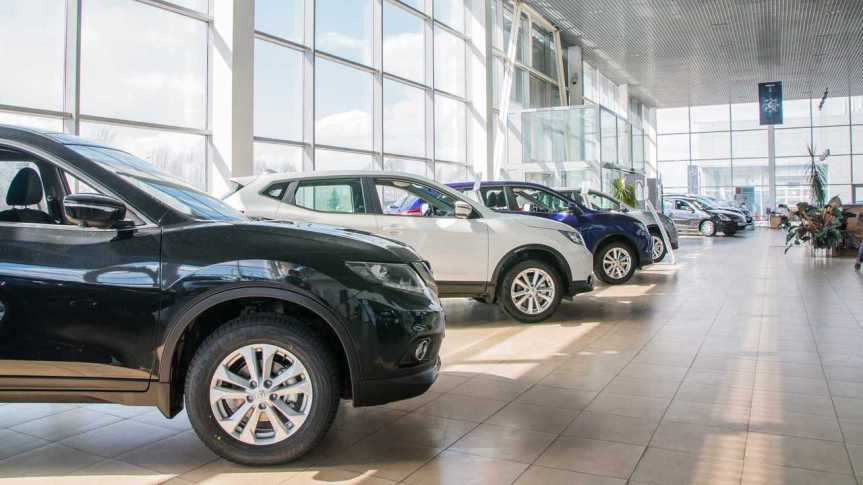
Auto dealerships have long been a defining element of the car-buying journey. For generations, they served as the primary gateway for consumers to explore new models, seek financial advice, and drive away with the vehicle of their dreams. But as technology reshapes the commercial landscape, the traditional image of the dealership—gleaming showrooms, persuasive salesmen, and in-person negotiations—is giving way to a more fluid, hybridized model of service.
Today’s auto dealerships are evolving. No longer simply storefronts for automotive inventory, they are fast becoming experience-driven environments, where convenience, trust, and innovation intersect. In this new era, understanding the transformation of auto dealerships is crucial to grasping the future of mobility itself.
A Historical Glimpse: The Traditional Dealership Model
The origin of the auto dealership dates back to the early 1900s, with entrepreneurs and early mechanics selling cars alongside repair services. As the automotive industry expanded, especially following the mass production of the Model T by Ford, dealerships became more formalized and central to vehicle distribution.
By mid-century, dealerships flourished across suburban America, offering more than just products—they became community fixtures, often family-owned and operated. Their roles included showcasing new models, facilitating financing, providing after-sales service, and nurturing long-term customer relationships.
Core Functions That Still Define Dealerships Today
Despite dramatic shifts in buyer behavior and technology, many core functions of auto dealerships remain essential. They continue to serve as crucial intermediaries between manufacturers and the end user.
1. Sales of New and Used Vehicles
-
New Cars: Franchise dealerships are licensed by manufacturers to sell specific brands. They provide the latest models, warranty-backed assurance, and access to factory-backed incentives.
-
Pre-Owned Cars: Used car sales now make up a significant portion of dealership business. Many offer certified pre-owned (CPO) programs with rigorous inspections and added warranties.
2. Financing and Insurance Services
-
Dealerships partner with banks and financial institutions to offer loans and leases. Their finance departments streamline the process, often securing competitive rates and bundling insurance options.
3. Service and Maintenance
-
Factory-trained technicians handle everything from routine oil changes to complex repairs. These departments help establish long-term trust and ensure repeat visits from customers.
4. Parts and Accessories Sales
-
Dealerships maintain a stock of OEM parts, accessories, and performance upgrades, ensuring quality and compatibility for specific vehicle makes and models.
The Digital Transformation of Dealerships
As consumers grow accustomed to the seamless convenience of e-commerce, the car-buying experience has had to catch up. Digital transformation has become not just an advantage, but a necessity.
How Dealerships Are Adapting to the Digital Era
-
Online Inventory Access: Customers can now browse full vehicle inventories online, with detailed images, features, and transparent pricing.
-
Virtual Consultations: Video calls and real-time chat functions help replicate the in-person consultation remotely.
-
Online Financing Tools: Credit applications, payment calculators, and instant loan approvals have become standard features on dealership websites.
-
Home Test Drives and Deliveries: Some dealerships offer contactless services, delivering vehicles for test drives or final purchases directly to the customer’s home.
-
E-Signature Solutions: Paperless transactions allow buyers to finalize deals without ever stepping into a dealership.
Enhancing the In-Person Experience
Although digital access has grown, many consumers still value the tactile, face-to-face experience. Forward-thinking dealerships now aim to elevate the physical visit into a refined, personalized experience.
Key In-Person Enhancements
-
Redesigned Showrooms: Modern dealerships resemble upscale lounges or boutique retail spaces, with coffee bars, children’s play areas, and luxurious waiting rooms.
-
Appointment-Based Consultations: Personalized attention ensures a less pressured, more informative buying process.
-
Integrated CRM Systems: Customer preferences and histories are tracked to deliver personalized offers and timely service reminders.
Challenges Facing Auto Dealerships Today
The road to modernization is not without obstacles. Dealerships must navigate a changing competitive landscape while managing legacy operations and evolving customer expectations.
Major Industry Challenges
-
Direct-to-Consumer Sales Models: Brands like Tesla and Rivian bypass traditional dealerships, selling directly to consumers and challenging the dealership franchise system.
-
Rising Operational Costs: Maintaining large showrooms, inventories, and service centers requires significant investment, making profitability a growing concern.
-
Supply Chain Disruptions: Global chip shortages and supply delays have made it difficult for dealerships to maintain consistent stock levels.
-
Evolving Consumer Preferences: Younger buyers favor transparency, speed, and flexibility over tradition, forcing dealerships to adopt new ways of selling and engaging.
The Electric Vehicle Revolution
Electric vehicles (EVs) are reshaping how dealerships operate, demanding new levels of expertise and infrastructure. As automakers ramp up EV production, dealerships must adapt quickly to this seismic shift.
Key Adjustments for EV Integration
-
Specialized Training: Technicians need certification and knowledge to handle high-voltage systems and EV-specific issues.
-
On-Site Charging Facilities: EVs require dedicated charging stations for both demonstration and service purposes.
-
Educating the Consumer: Many EV buyers have questions about range, battery life, and charging logistics, placing a new responsibility on dealership staff to act as educators and advisors.
A Vision of the Future: What Lies Ahead?
The auto dealership of the future will not be defined solely by its showroom or its service bay. Instead, it will be characterized by agility, innovation, and customer-centricity. Dealerships that blend physical presence with digital agility will be best positioned to thrive.
Emerging Trends to Watch
-
Subscription Services: Monthly vehicle subscriptions that include maintenance, insurance, and the flexibility to switch cars may grow in popularity.
-
AI-Driven Personalization: Artificial intelligence will help match buyers with vehicles, anticipate service needs, and streamline customer support.
-
Sustainability Practices: Dealerships will invest in green buildings, digital paperwork, and carbon-neutral operations as part of broader environmental commitments.
Conclusion: Reinventing Relevance in a New Era
Auto dealerships are at a turning point. Though their traditional model is under pressure from digital disruption, direct sales models, and shifting consumer values, they are far from obsolete. Instead, the most successful dealerships are reinventing themselves—transforming into holistic mobility hubs that serve as educators, consultants, and experience providers.
By embracing change while remaining rooted in their foundational strengths, dealerships can continue to play a vital role in the automotive journey. Whether online or in person, the essence of a dealership lies in helping people move forward—literally and figuratively—with confidence, convenience, and trust.

